Expansion Tank Installation in San Antonio, TX
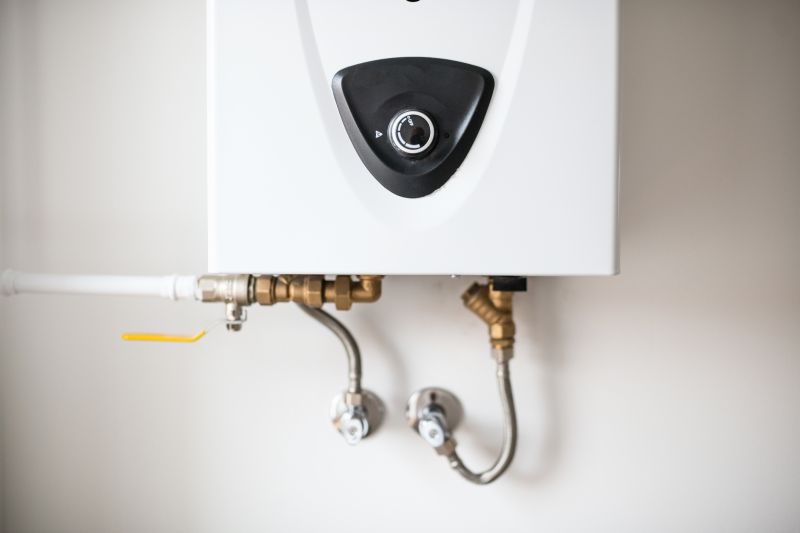
Expansion tank installation services involve adding a pressure tank to a home's plumbing system to help manage water pressure and prevent damage caused by thermal expansion. These tanks are commonly installed in residential properties with hot water heaters, especially when there are multiple fixtures or high water demand. Projects typically include replacing an aging or malfunctioning expansion tank, upgrading an existing system, or installing one in a new construction. Property owners should understand the importance of proper sizing and placement to ensure optimal performance and to avoid issues such as water hammer or pressure fluctuations.
Homeowners considering expansion tank installation often want to know about the compatibility with their current plumbing setup, the benefits of installing a new tank, and any necessary preparations before installation. It's also helpful to understand the different types of tanks available and how they integrate with existing systems. Contacting a professional can provide guidance on the appropriate size and type of expansion tank to meet the specific needs of the property, ensuring the plumbing system functions efficiently and reliably.
Many property owners in San Antonio, TX look into Expansion Tank Installation for repairs, replacements, upgrades, and appearance-related improvements.
Understanding Expansion Tanks
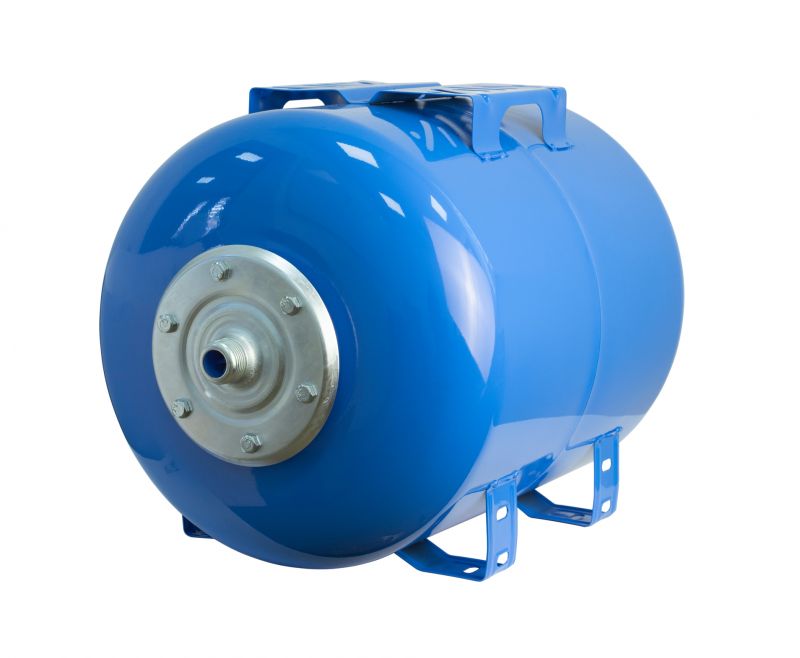
Expansion tanks help maintain proper pressure in residential and commercial water heating systems in san antonio.
Signs You Need An Expansion Tank
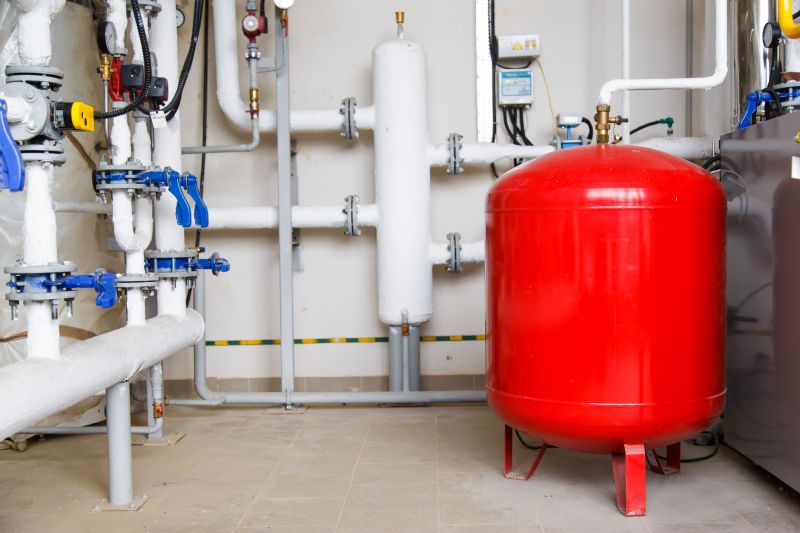
Common indicators include fluctuating water pressure, banging noises, or frequent system shutdowns in your property.
Installation Considerations
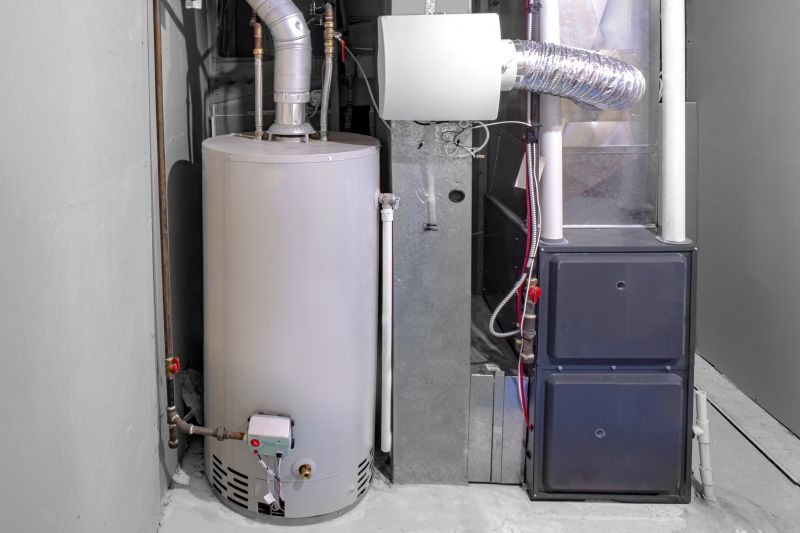
Proper placement and sizing of expansion tanks are essential for ensuring system efficiency and longevity in san antonio homes and businesses.
Expansion Tank Installation in San Antonio, TX

Expansion tank installation services involve adding a pressure tank to a home's plumbing system to help manage water pressure and prevent damage caused by thermal expansion. These tanks are commonly installed in residential properties with hot water heaters, especially when there are multiple fixtures or high water demand. Projects typically include replacing an aging or malfunctioning expansion tank, upgrading an existing system, or installing one in a new construction. Property owners should understand the importance of proper sizing and placement to ensure optimal performance and to avoid issues such as water hammer or pressure fluctuations.
Homeowners considering expansion tank installation often want to know about the compatibility with their current plumbing setup, the benefits of installing a new tank, and any necessary preparations before installation. It's also helpful to understand the different types of tanks available and how they integrate with existing systems. Contacting a professional can provide guidance on the appropriate size and type of expansion tank to meet the specific needs of the property, ensuring the plumbing system functions efficiently and reliably.
Many property owners in San Antonio, TX look into Expansion Tank Installation for repairs, replacements, upgrades, and appearance-related improvements.
Common Expansion Tank Installation Jobs
Expansion Tank Installation Questions
What is an expansion tank used for? An expansion tank helps manage pressure in a home’s hot water heating system, preventing damage caused by thermal expansion.
Where is the expansion tank installed? It is typically installed near the water heater or boiler to ensure proper pressure regulation within the system.
How do I know if my expansion tank needs replacement? Signs include frequent pressure fluctuations, water leaks, or inconsistent hot water supply, indicating it may be time for a new tank.
Can an expansion tank be added to an existing system? Yes, an expansion tank can be installed in existing systems to improve pressure control and system longevity.
Request Expansion Tank Installation in San Antonio, TX
Use the quote form on this page to share the basics of your project and request more information for the type of work you need.